Halloween Gummies: What Buyers Stock for the Season, and When to Order It
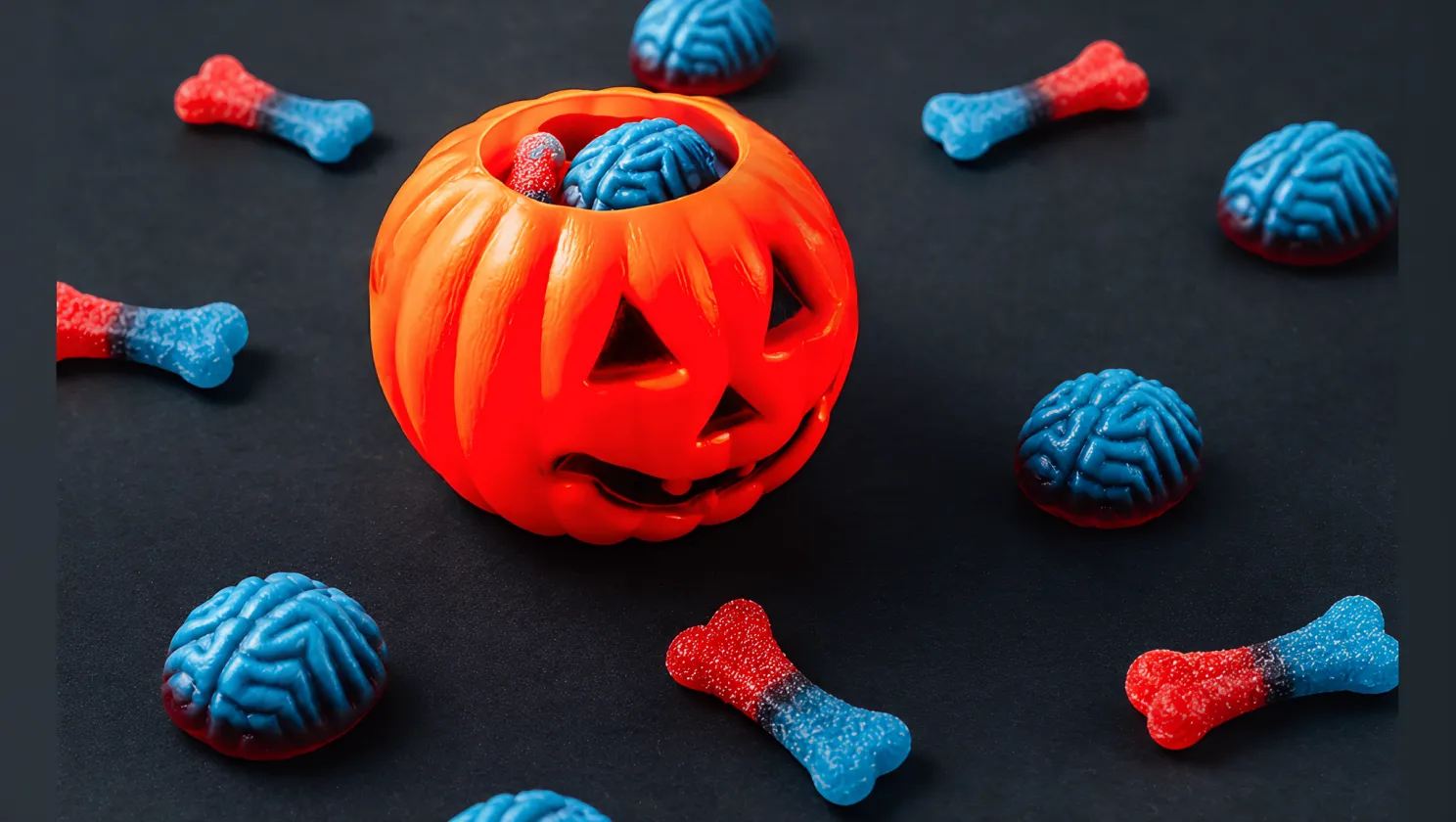
Halloween is no longer one night on the candy calendar. In the 2026 edition of Mars’ annual Halloween report, 57% of U.S. adults said they treat Halloween as a full season, and the report tracks a newer habit it calls Summerween, early spooky-season celebrating in July and August that a majority of Gen Z respondents know or practice (Mars, 2026 Tricks, Treats and Trends report). Shelves follow that calendar: the Halloween set goes up in early September, and popular items can sell out well before the final week of October.
For a buyer, a longer season on the shelf means a longer lead time at the factory. This article covers the two decisions that shape a Halloween gummy program: which shapes to stock, and how to work the ordering window backwards from the shelf date.
The Order Window, Backwards from the Shelf
The retail rhythm is the fixed end of the chain. Seasonal sections appear in stores in early September, and Hershey’s 2026 season report found that 72% of parents planned to buy gummy candy before September, with demand continuing into October (The Hershey Company, 2026 Halloween portfolio release).
From that shelf date, the calendar runs backwards through production and shipping. A common planning range puts wholesale orders four to six months before the season, although every program runs on its own cycle: a reorder of a known product compresses much shorter, while a program with new packaging or a new shape needs the full span. For export programs, ocean freight and customs add their own weeks on top of production time, so the factory conversation works best when it starts while the previous season is still being reviewed.
Two things sit inside that window that buyers tend to underestimate. Sampling rounds take time: a seasonal program usually wants a physical sample approved before production is booked, and each round adds days. And production is scheduled in seasonal blocks, so the factories filling Halloween capacity work on a first-confirmed, first-scheduled basis. The buyers who sign off samples early get the early production slots.
| Milestone | Typical position on the calendar |
| Brief and product selection | Spring, while the previous season is being reviewed |
| Sampling and sign-off | Late spring |
| Production | Early to mid summer |
| Ocean freight and customs | Mid to late summer |
| In-store set | Early September |
The table is a planning frame, not a rulebook. The point of laying it out is that a Halloween program decided in autumn is usually the following year’s program, and buyers who plan that way get the first production slots of the season.
The Shape Mix: Core Shapes and New Movers
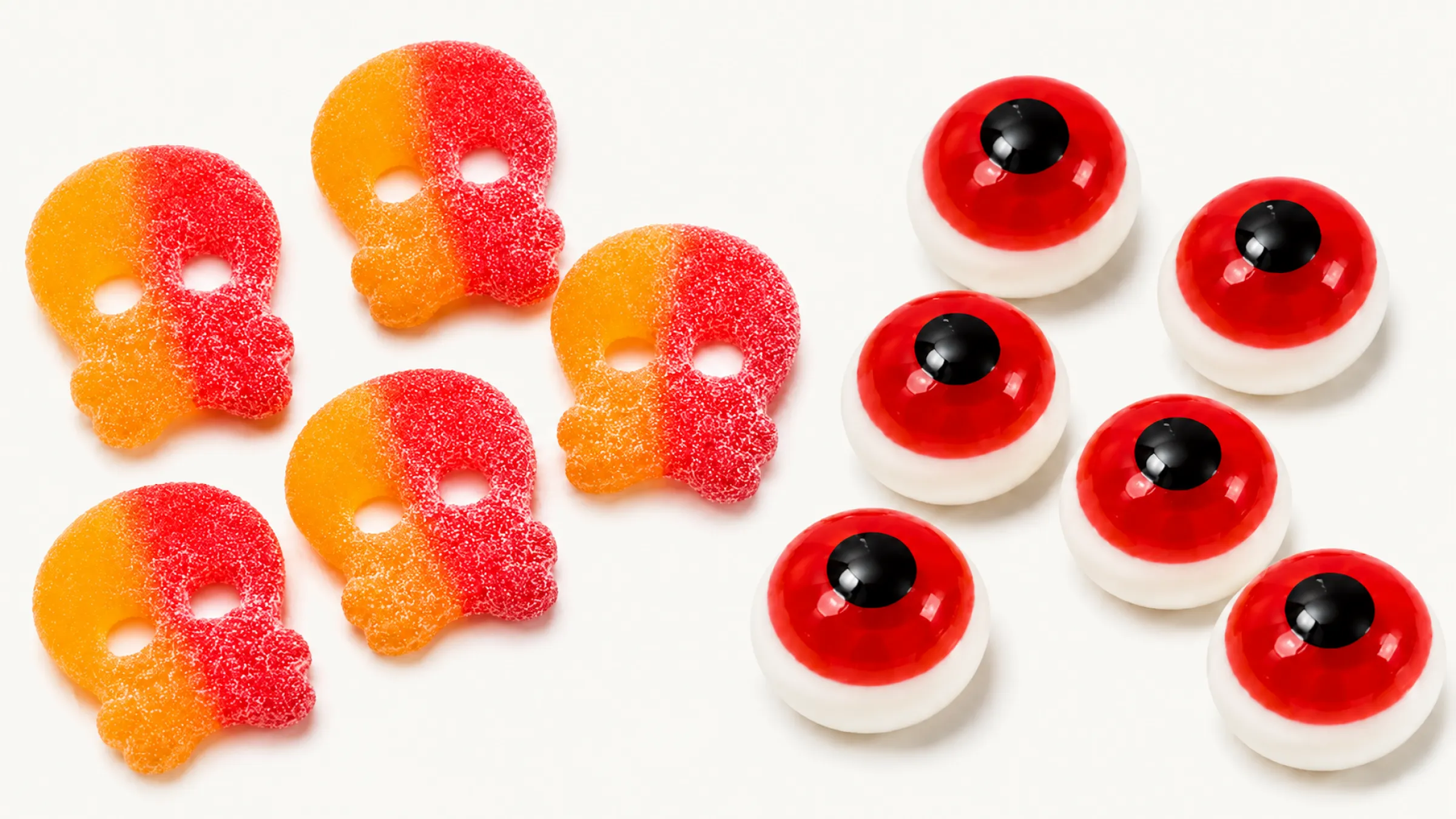
The core Halloween assortment has been stable for years because it works: ghosts, skulls, pumpkins, eyeballs, and body-part pieces like fingers and dentures. These shapes carry much of the volume in bulk bins and mixed bags. They are also the easiest items to source and reorder, since the shapes are established across the industry, but sourcing convenience is not what sells them; their recognition with shoppers is what keeps them moving.
Around the core, each season brings a small set of new movers. The 2026 season added body-part assortments built as multi-flavour mixes, full-body skeleton pieces carrying two flavours and two textures in one piece, and foam-textured skull pieces from Swedish-style brands. Mars added a freeze-dried Halloween item to its line with Skittles POP’d Creepy Crunch (Mars, 2026 Tricks, Treats and Trends report). None of these required a new shape category; the freshness came from mixing, dual-building, coating, or texture.
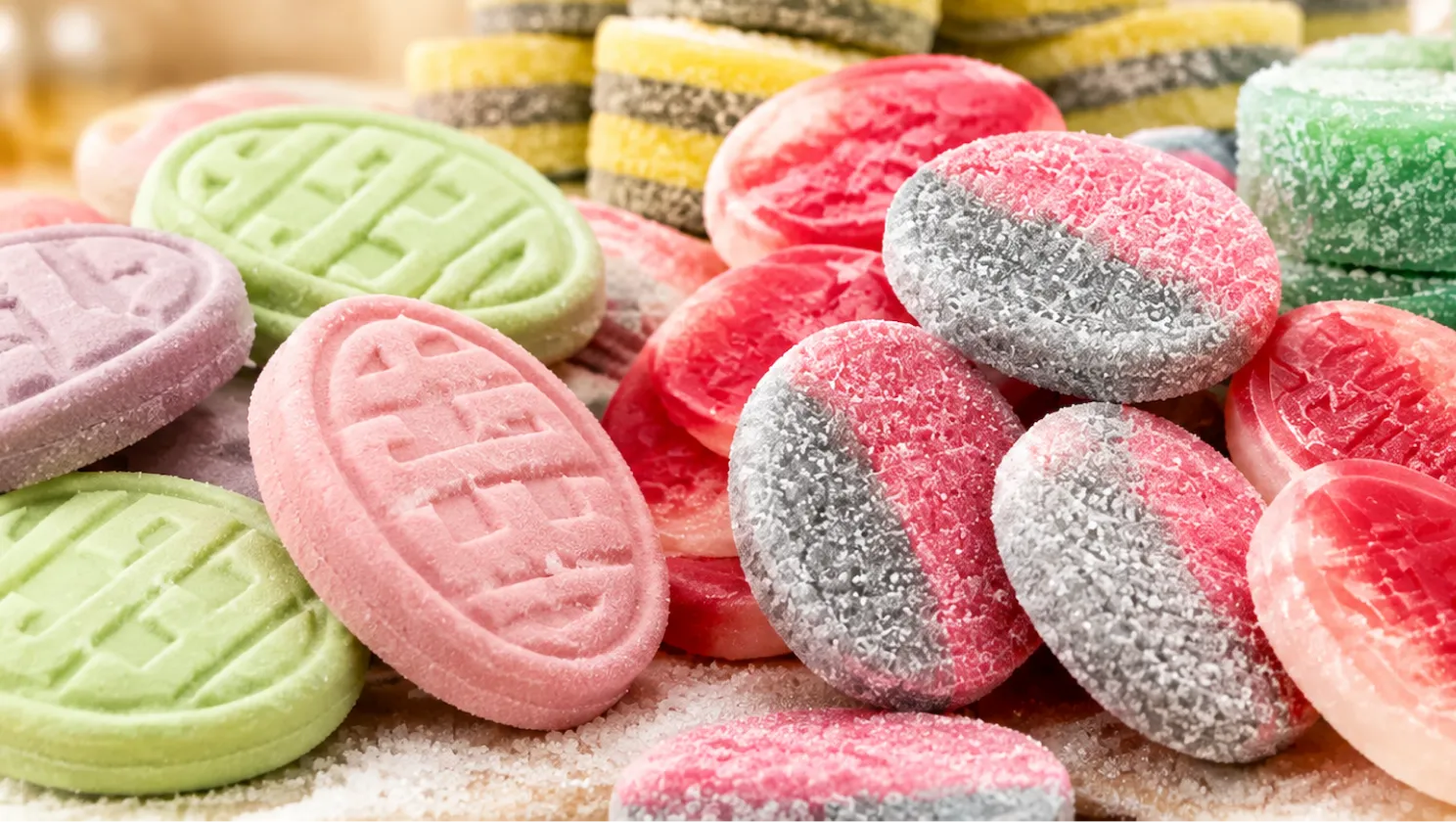
That is the usable lesson for assortment planning. The core shapes hold the volume, and one or two talk pieces per season carry the novelty. A talk piece does not need a new mould: a two-colour build, a sour-sanded finish on a classic shape, or a foam-textured piece all read as new on the shelf while running on existing production setups.
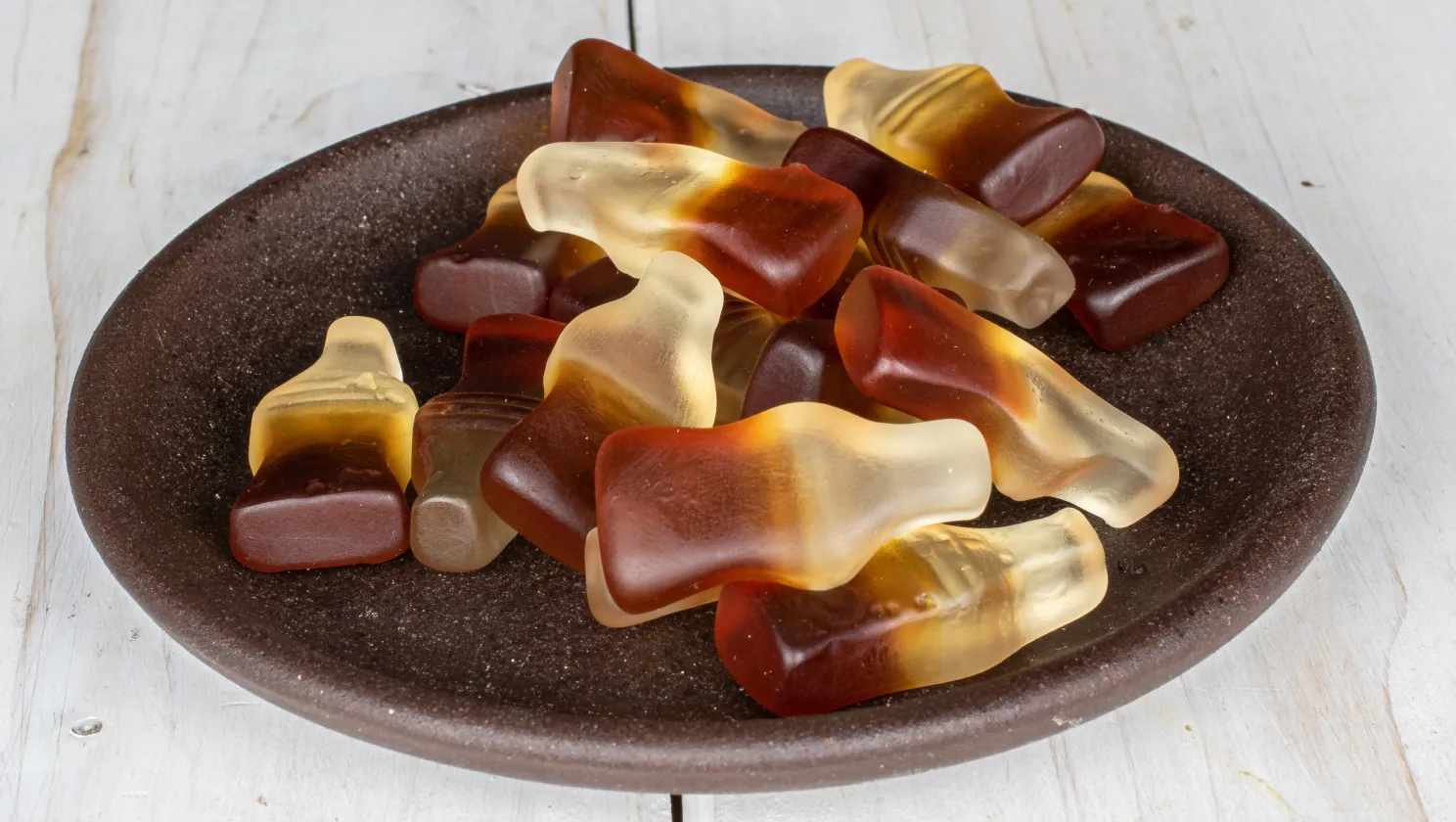
Dual-colour and dual-texture builds are worth a closer look in this role. A single piece that carries two colours or two textures photographs well and gives a mix a focal point. Many builds of this kind can run within existing production setups, though the exact route depends on the piece, so feasibility is confirmed per product during development.
Format Decisions: Minis, Bags, and Bulk
Halloween has one format decision other seasons do not: trick-or-treat. Candy handed out at the door often goes in individually wrapped mini packs, and brands keep adding them. Hershey’s 2026 line put its Jolly Rancher gummies in seasonal shapes and colours into snack-size sachets for exactly this use (The Hershey Company, 2026 Halloween portfolio release). Mini packs are the most common trick-or-treat format, though not the only one: party bowls and bulk bins serve the same season through different occasions.
Alongside minis, share-size bags serve households stocking the candy bowl, and bulk serves candy shops and party formats. The three formats answer three different channels, so the order structure usually splits by channel rather than by shape. A buyer supplying a grocery chain leads with minis; a candy shop program leads with bulk.
One detail worth checking at the format stage is piece count. A mini pack is specified by the number of pieces per sachet and the sachet count per outer bag, and both numbers shape how the pack reads on the shelf and how the price point lands. These are set during the packaging specification, together with the seasonal artwork.
Flavour and Texture Trends Worth Borrowing
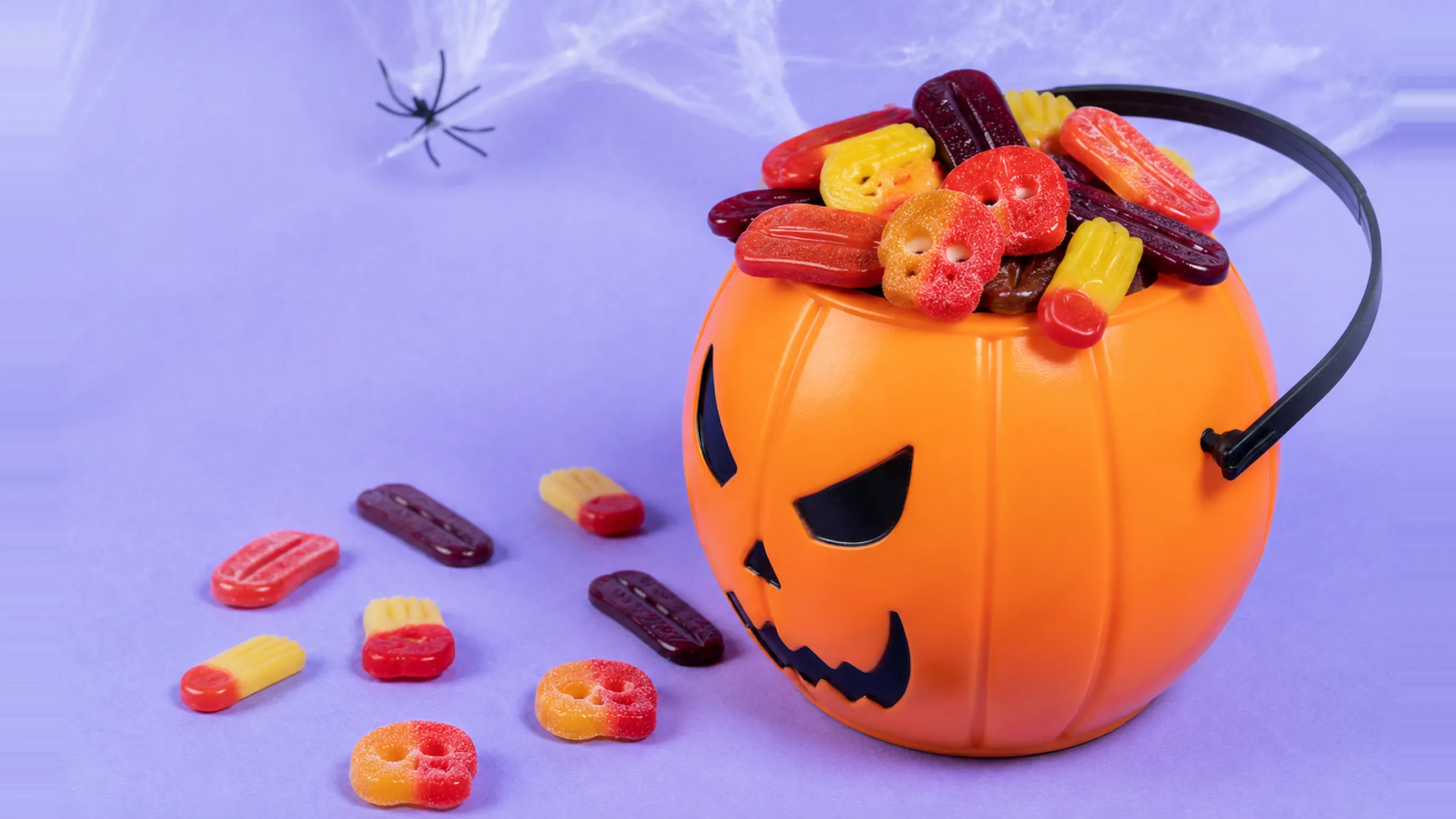
Two demand signals from the 2026 season translate directly into gummy specifications. Texture came first in the Mars report, with 71% of surveyed adults wanting texture in their Halloween candy, and nearly 60% looking for extreme flavours. A sour-sanded finish answers the second signal on existing shapes, and a foam or freeze-dried piece answers the first.
The category shift behind both signals works in gummies’ favour, with a caveat worth stating plainly. Circana’s 2026 Halloween analysis shows non-chocolate candy taking 49% of seasonal sales in 2025, up from 45% the year before, as cocoa prices push chocolate programs harder (Circana, Halloween 2026 category analysis). Non-chocolate covers more than gummies, of course, but gummies sit inside the growing half of that split, so a larger gummy share in a Halloween assortment is aligned with where the shelf is moving.
How Sweeto Supports Halloween Programs
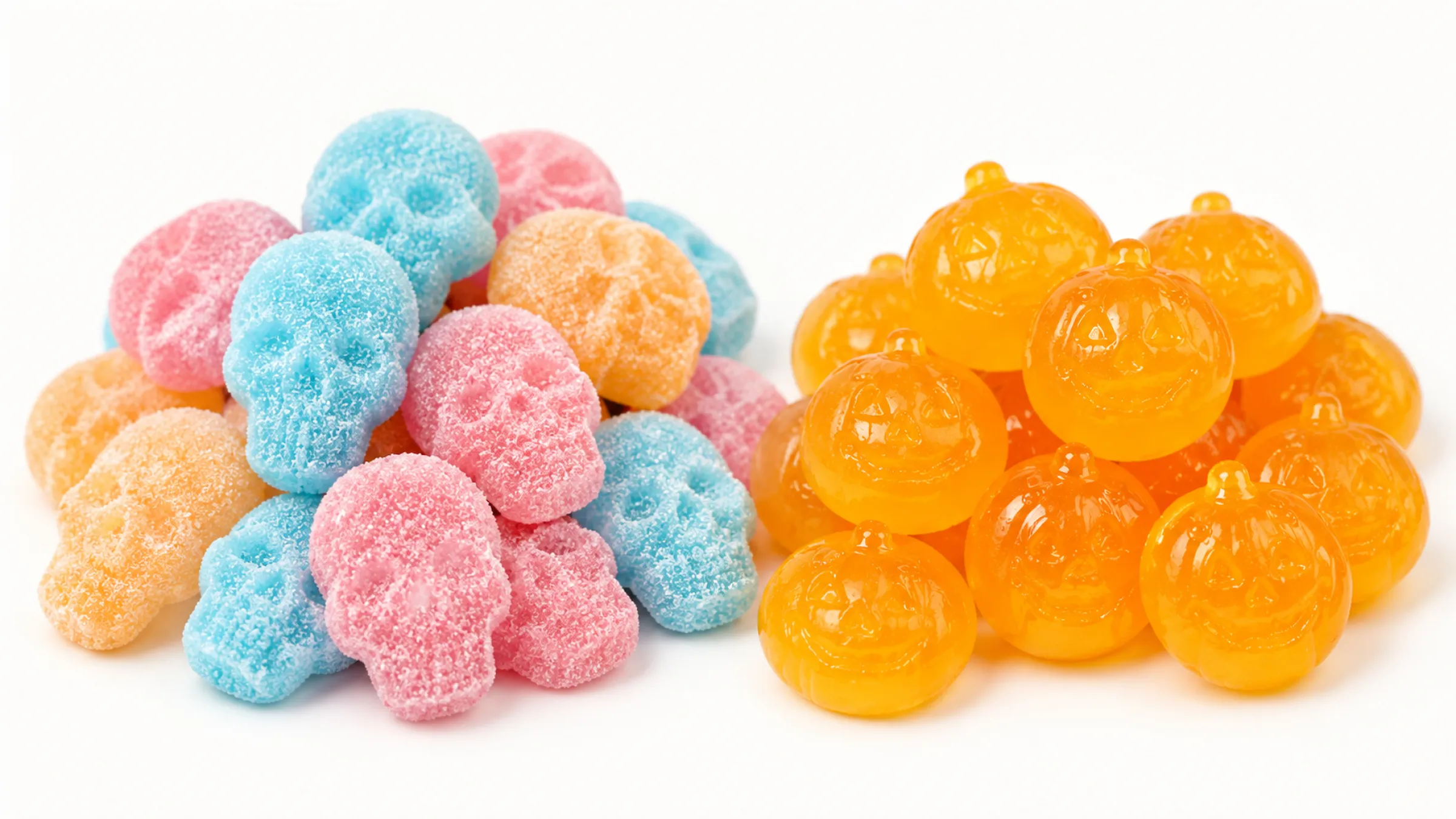
Our catalogue covers a wide Halloween range, from eyeballs, fingers, and dentures to skulls, pumpkins, and ghosts, with builds and finishes specified per program. Our Halloween range covers all of these shapes.. Seasonal orders run in scheduled production blocks, and themed packaging, including individually wrapped mini formats, can be produced to the program’s specification.
Buyers with a shape idea beyond the current range can also develop it with us: new Halloween pieces, dual-colour builds, and texture variations are handled inside our custom program. If you are planning for the next season, send us your channel and target market, and we will come back with a shape mix and a planning timeline for your program.
The proven core is ghosts, skulls, pumpkins, eyeballs, and body-part pieces such as fingers and dentures. These shapes carry the volume in both bulk and bagged channels. A first order can start from the core mix, then add one or two seasonal talk pieces in the following season once the base is selling.