Our standard MOQ is 2,000 kg/SKU, or 1,000 kg/SKU for single-colour products. Trial quantities and mixed-SKU shipments can be discussed by project.

Three Ways We Support Your Gummy Project
Whether you need an existing product, manufacturing to your own specification, or full product development, choose the path that matches how much of your gummy project is already defined.
| Private Label | OEM | ODM | |
| Best For | Customers looking for faster market entry with proven products | Customers with their own formula, specification, or reference product | Customers developing a new gummy concept from idea to production |
| You Provide | Product selection, branding requirements, and packaging design | Formula, specification, or reference sample | Product concept, target market, and product requirements |
| We Provide | Proven gummy formulas + customised packaging solutions | Manufacturing according to your specifications + production support | Formula development, prototyping, mould development & production |
| MOQ | 1,000 kg / SKU for single color; 2,000 kg / SKU for multi-color | ||
| Sample Lead Time | Approx. 1 week | Approx. 1–2 weeks depending on requirements | Depends on formula development and prototype approval, typically extra 1 week for moulding |
| Production Lead Time | 30–45 days after formula, specification and artwork confirmation | ||
| Mould Cost | Existing moulds carry no tooling charge. New custom moulds are quoted separately based on the design. | ||
| Inspection | In-house QC; third-party inspection available on request. | ||
Flavor & Color
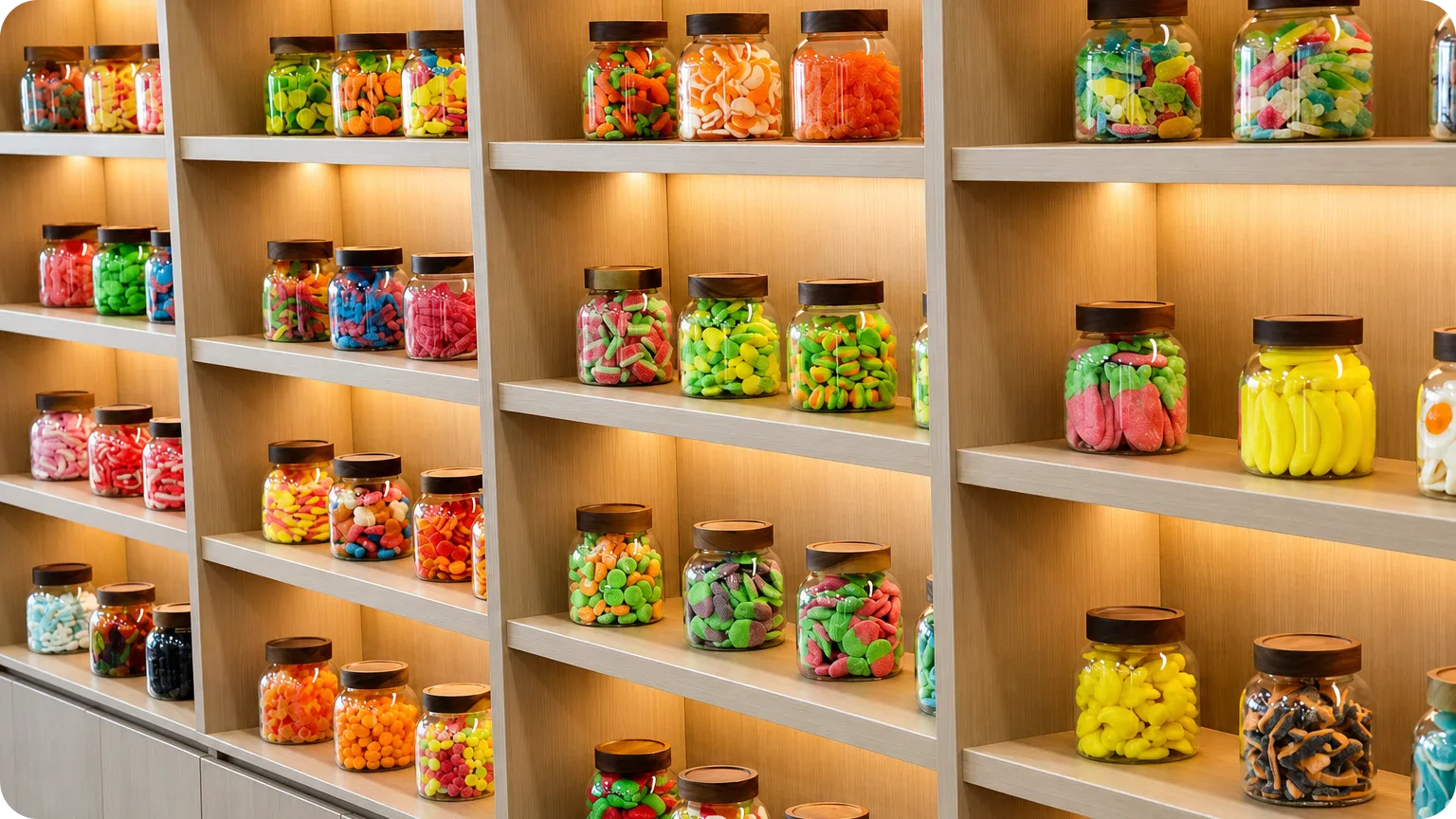
Customise flavour, colour and sour level to match your product brief and target market.
- Fruit, sour, milky and other flavour profiles
- Natural or artificial colour and flavour systems

Formula
Choose the gelling system according to the target texture, product requirements and market needs.
- Gelatin-based
- Starch-based
- Pectin-based
- Carrageenan & combined systems
- Sugar-free options with isomalt and maltitol
- Halal, Kosher, Vegan, Gluten-free, High-protein...
Shape & Size
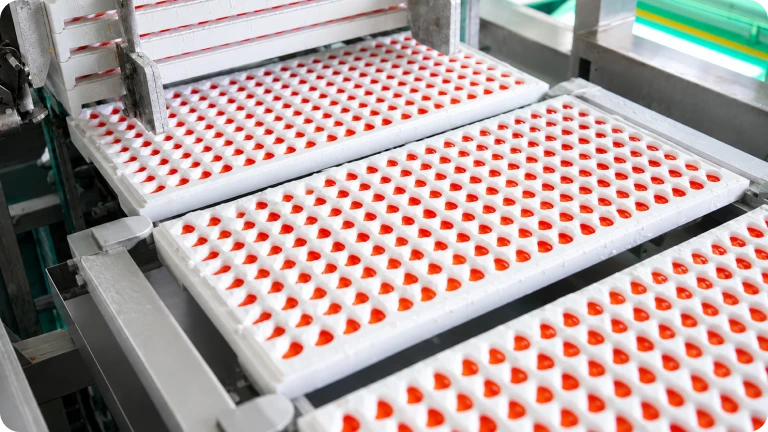
Choose from 300+ existing moulds or develop a custom shape based on your drawing, reference sample and target unit weight.
Texture & Format
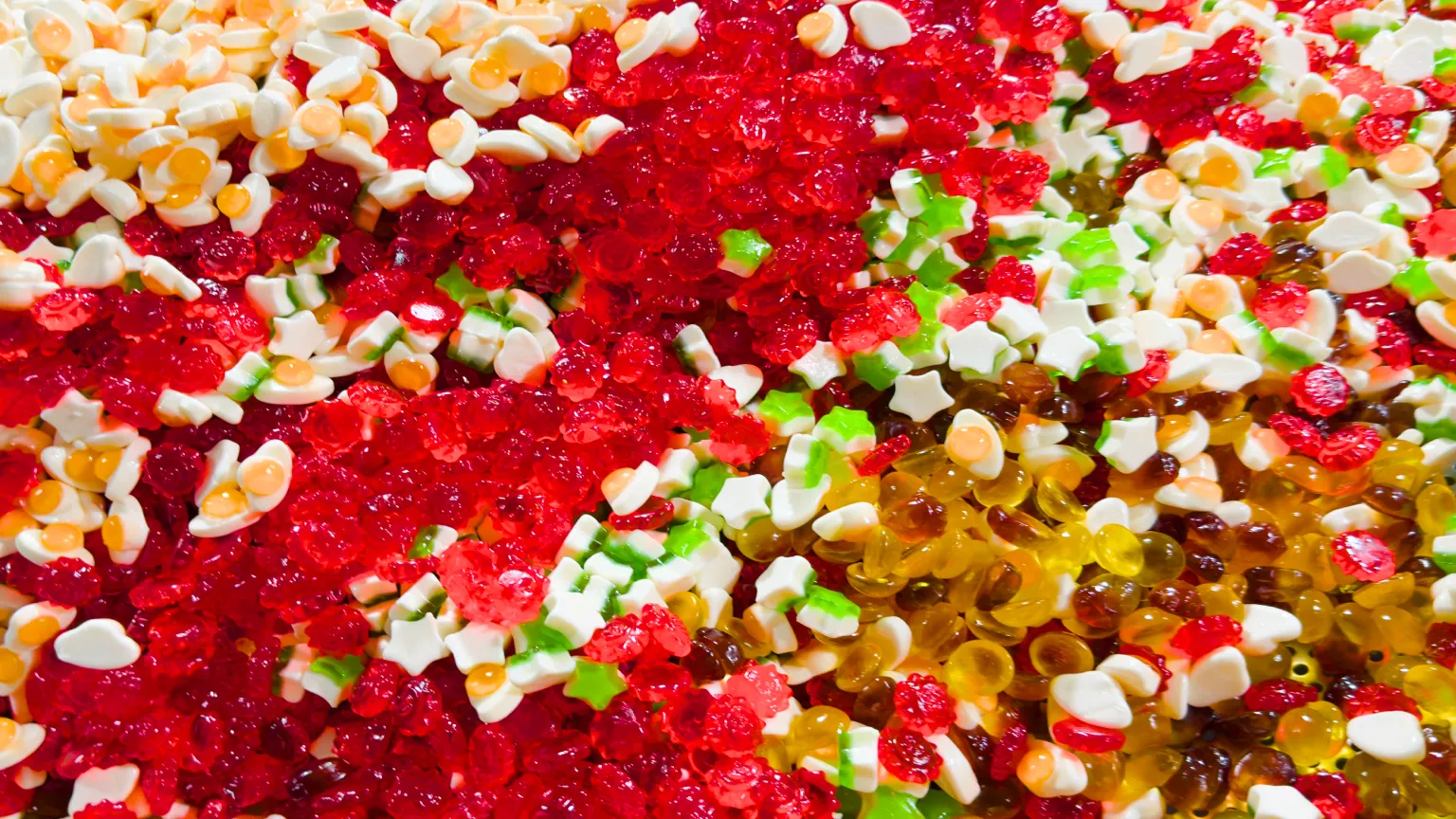
Beyond classic chewy gummies, we run lines for filled, layered, peelable, and coated formats — the categories actually growing in retail today.
- Chewy or clean-bite
- Filled gummies
- Layered or two-tone
- Peelable
- Sour, sugar, or nonpareils coated
- Foam-bottom or aerated
- Crunchy shell, soft center
Surface Finish
Choose the finish according to the required appearance, texture and handling characteristics.
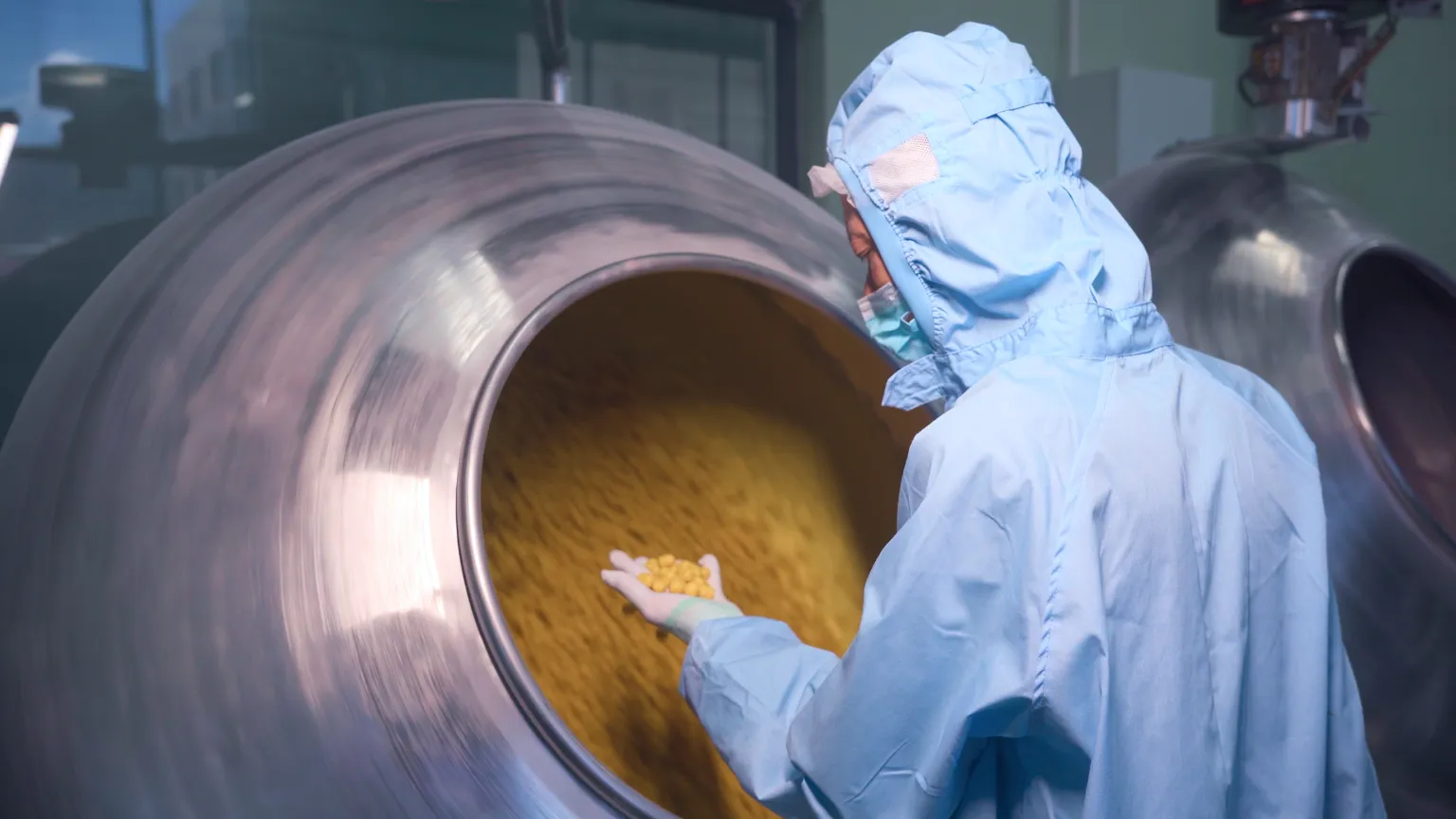
- Oil polish — glossy, anti-stick
- Sugar coating — sanding or fine powder
- Sour coating — citric / malic / tartaric
- Carnauba wax
Packaging & Branding
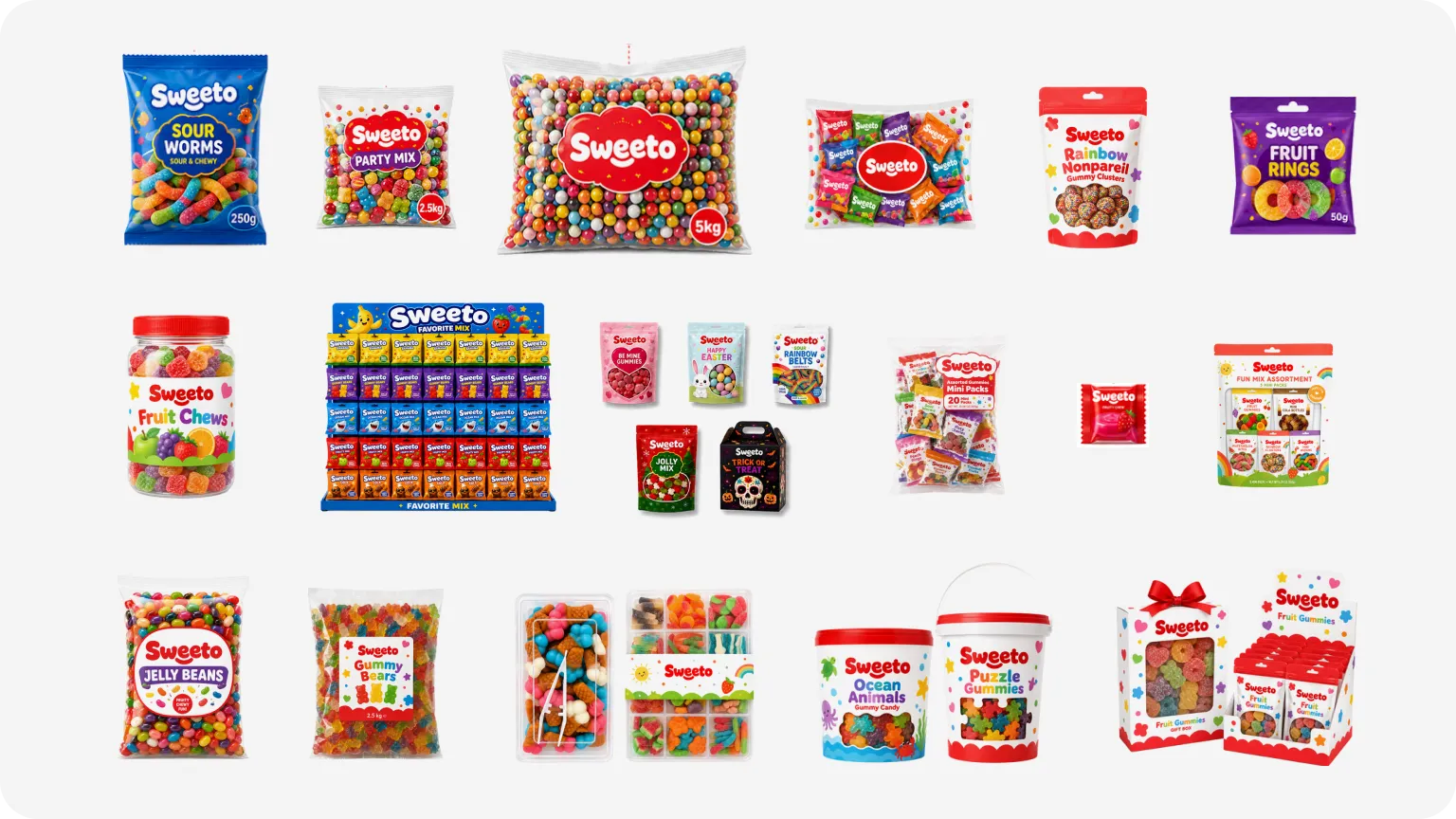
Artwork, structure, printing, and compliance — handled in-house, retail-ready. Flexible pack sizes from single wraps to 5 kg bulk bags, with custom packaging sizes and specifications available on request.
- Stand-up pouch, pillow bag, mini sachet and mini pouch
- Family-size pouch, party mix and bulk bag up to 5 kg
- PET jar, tub / pail, plastic tray
- Multipack with assorted mini packs
- Gift box, display box and countertop display
- Seasonal and promotional packaging programs
- Multi-language labels, barcode registration, foil stamping, UV and die-cut finishes
Frequently Asked Questions
Everything to Know About Custom Gummy Development
Custom gummies sit at the intersection of formulation, manufacturing, and brand strategy. The decisions you make at the start — base recipe, mold investment, packaging structure — shape your unit cost, market readiness, and how fast you can scale. This page covers what’s worth thinking through before signing a development brief.
Three Custom Paths and How to Pick the Right One
Most "custom gummy" projects fall into one of three depths, and the right choice depends on how much formula and IP you want to own:
- Private Label — fastest to market. You bring the brand, we provide stock formulas with branded packaging. Lowest MOQ, fastest sample. Formula stays with the manufacturer.
- OEM — you bring the spec or reference product and we manufacture to it. Formula ownership is agreed in the project contract. Production uses existing molds where possible.
- ODM (full development) — formula research, mold tooling, packaging design — built ground-up. Highest investment, longest lead time, with IP ownership agreed in the project contract.
Brands often start with Private Label to validate market response, then move to OEM or ODM once volumes justify the development cost.
Mold Tooling — Cost, Timeline, and What’s Actually Custom
"Custom shape" means different things at different price points. Understanding the difference saves time and budget:
- Stock mold from existing library — no tooling cost, immediate production. Hundreds of shapes available.
- Modified existing mold — minor tweaks to an existing shape, low cost and a shorter tooling schedule.
- New custom mold — brand-exclusive shape, logo, character. Tooling cost quoted per project, with the development and sampling schedule confirmed after design review.
For brand launches, custom molds usually pay back within the first reorder cycle if your shape becomes a recognizable visual asset. For one-off promotional projects, modified stock molds deliver better economics.
Special Ingredients and Feasibility
Adding certain ingredients can change the rules of gummy production — some heat-sensitive ingredients degrade under standard cooking temperatures, so not every brief fits a standard process.
Selected heat-sensitive ingredients can be evaluated during formulation development, and we confirm feasibility and timing with you before the first commercial batch.
Packaging as the Second Product
Packaging decisions get rushed because they happen at the end of the timeline — but they shape unit cost, shelf appeal, and compliance more than most buyers expect.
- Plate and artwork fees are one-time per design. Plan them into the first PO, not as a surprise on PO #2.
- Multi-language labels for cross-border distribution need to be designed once, with regional variants handled at print stage.
- Compliance varies by market — EU, US, and GCC each have different label requirements. Reprinting after the fact costs more than getting it right the first time.
- Structural choices — pouch vs jar vs box — affect shipping density and damage rates, not just shelf appearance.