Candy Beans: What Buyers Should Know Before Ordering
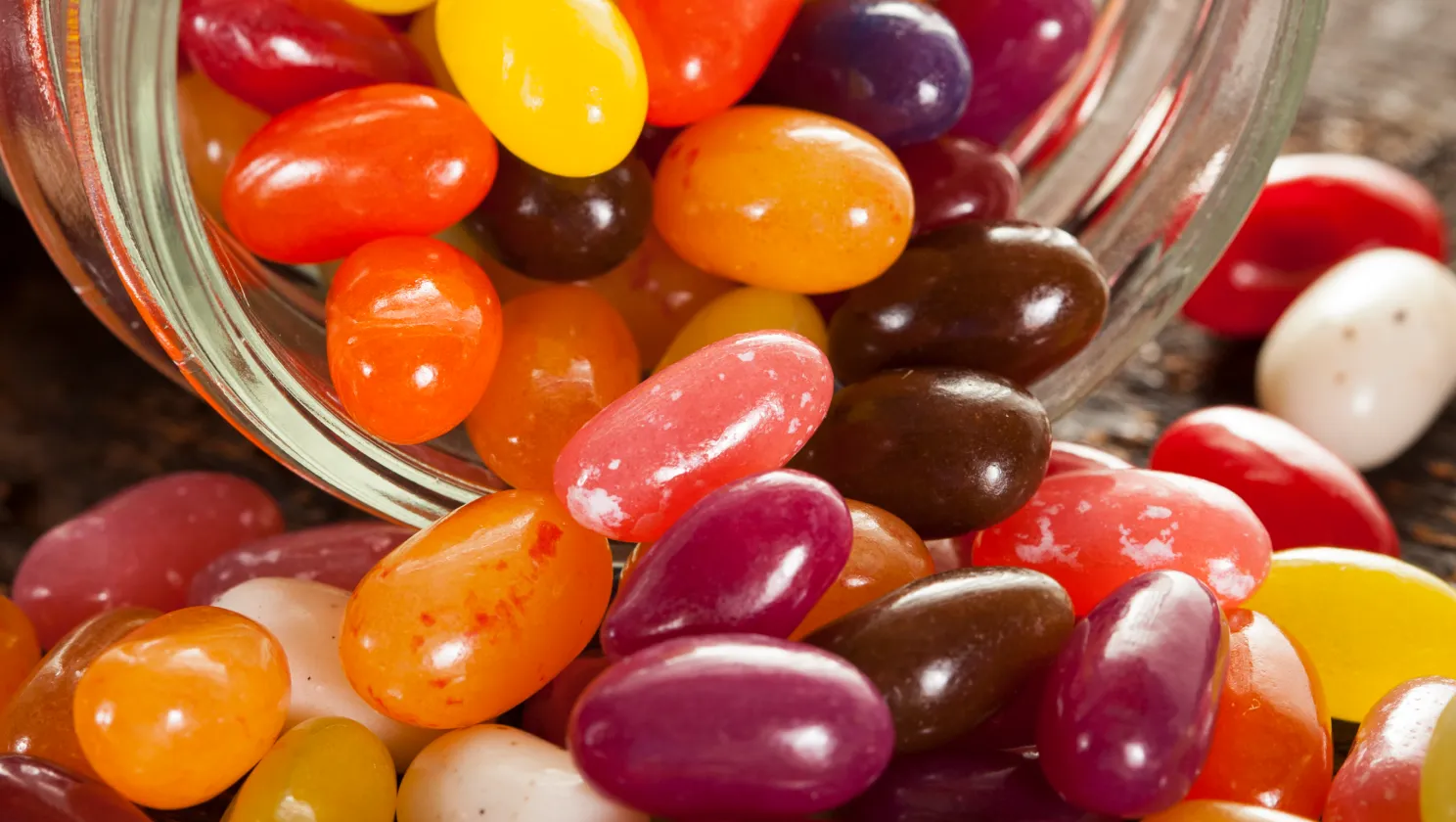
A candy bean order comes down to four decisions: the shell, the size, the color set, and the flavor. Each one is simple to state, and each one benefits from being written down explicitly. This article goes through all four in the order they come up when you brief a factory, plus how to check them on a sample.
The category covers more ground than one product name suggests. Chewy fruit beans, pastel jelly beans, and sour crunchy beans all sit in the same family and share the same core process, so the decisions below apply across the range.
How the Shell Gets Built
Candy bean shells are made by panning. The finished centers go into a large rotating drum, and sugar syrup is added gradually while the drum turns. The shell builds up layer by layer over hours. Color and flavor go in during the same stage, and a final glaze gives the beans their shine (National Confectioners Association, All About Jelly Beans).
Two points in that process matter for a buyer. First, the shell is an engineered layer, not a coating that just happens: the number of layers is one of the factors behind shell thickness, which means thickness can be specified. Second, the process is unhurried by design: a gourmet jelly bean takes days from cooking to polishing, with drying time between stages (Gimbal’s Fine Candies production overview).
After panning, the pieces go through polishing for the glossy finish and then into the drying rooms, where the shell sets fully before packing.
Shell Thickness Decides the Bite, and Our Centers Carry Color and Flavor
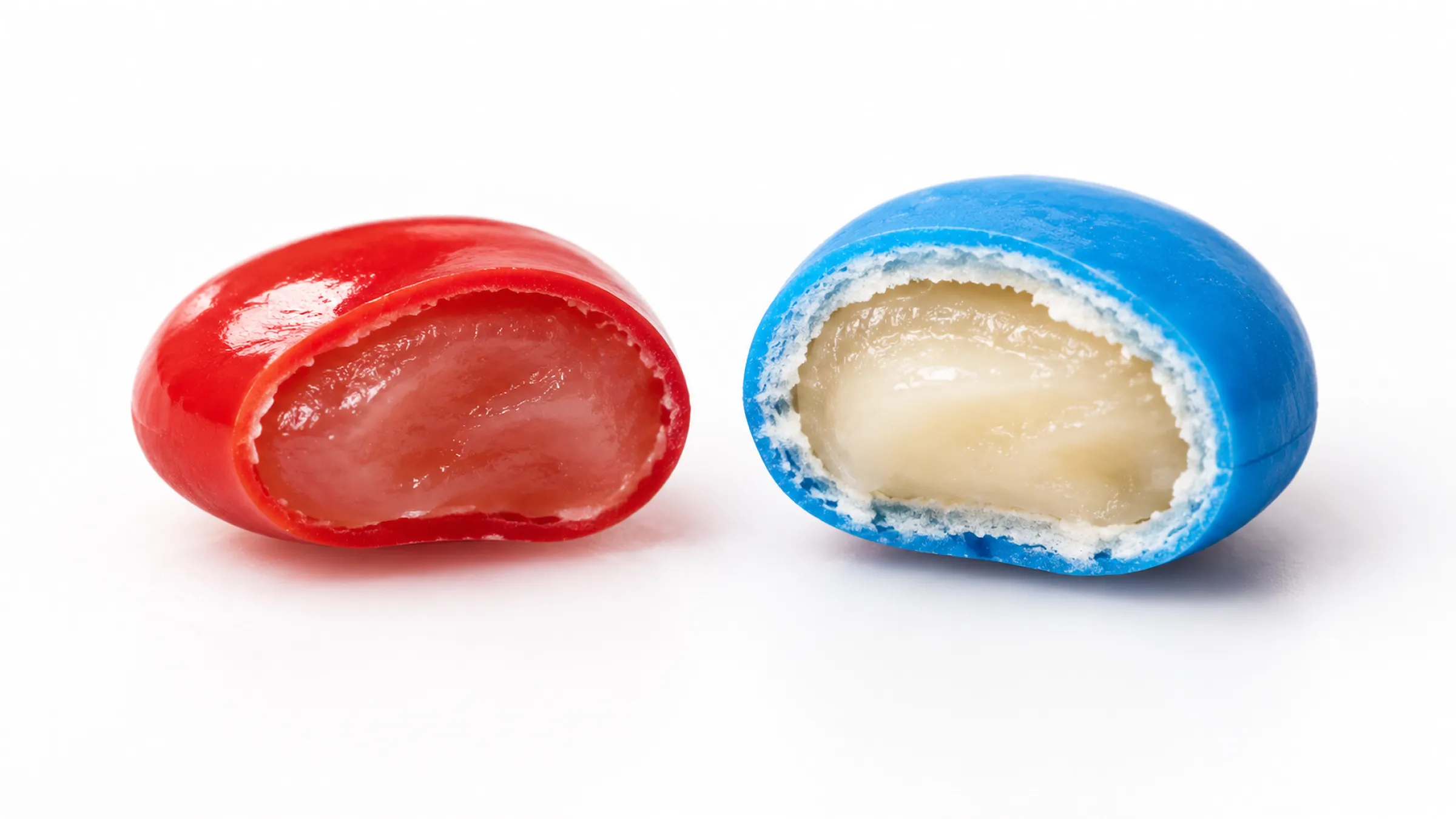
Shell thickness sets the order of the eating experience. A thin shell cracks early and gets out of the way, so the center leads. A thicker shell holds its crunch longer, pushes the sweetness forward, and makes the bean slower to eat. Neither is better; they suit different programs.
Buyers comparing beans from different suppliers often find the difference right here. Two beans can share a shape, a color, and a flavor name, and still eat differently because the shell builds differ. This is why a bean program should be sampled against a reference rather than specified by description: the bite is physical, and the signed-off sample is what production follows.
There is a second decision inside the same section: what the center itself contributes. In some beans the flavor sits mostly in the shell. Where a program asks for it, our centers can be made with color and flavor built in, so the color and taste can run through the whole bean rather than the coating alone. This is a per-program choice, confirmed at sampling, and it turns the color set and the flavor map into the same decision.
Shell thickness also has a production side worth knowing: at the same piece size, a thicker shell means a heavier piece, which changes the count per kilogram. Buyers pricing bulk formats by the piece should factor that in.
Size and Weight Choices
Piece size mainly decides how many pieces a kilogram contains, which is the number bulk buyers work with. Which size to run follows the product you want to make; the pack is chosen afterward to fit it, not the other way around.
Weight has a practical floor. For jelly beans we recommend a piece weight of at least about 1.2 grams, because below that the center becomes too small to handle cleanly through molding and polishing and the defect rate climbs. Crunchy sour beans, which carry a thicker coating, work best at about 1.4 to 1.5 grams. These floors keep the shell-to-center ratio producible, and they are the kind of numbers worth confirming before a specification is written.
Colors and Mix Ratios
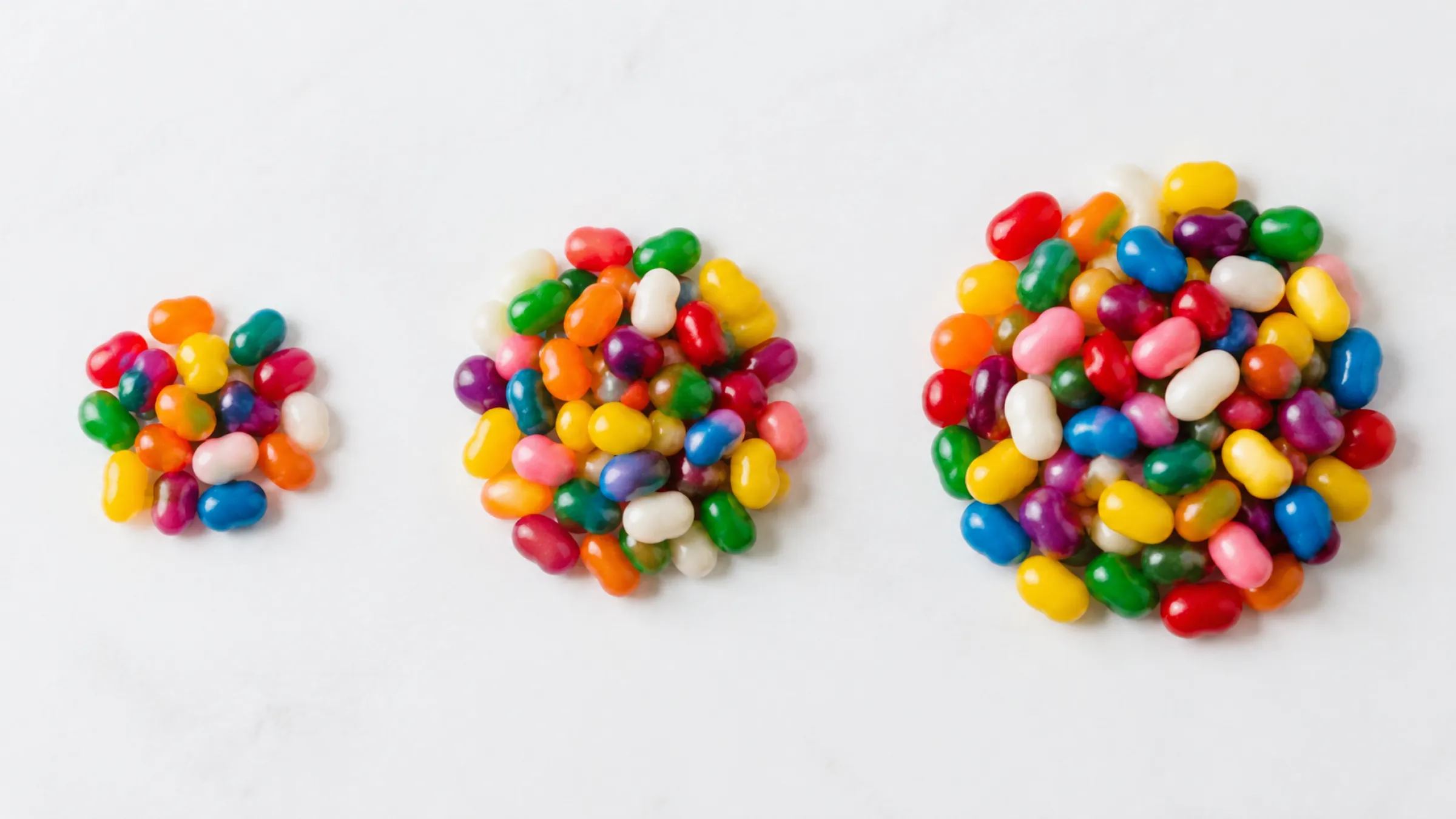
Color programs come in three forms. Single-color packs serve themed events and branded presentations. Fixed color sets, such as a defined seven-color assortment, serve retail programs that reorder the same mix. Seasonal sets rotate the palette for Easter pastels or Christmas red-and-green.
Mixed-color packs need the ratio in writing. The color list and the share of each color go into the specification, so a mix with one lead color and smaller accents ships the same way on every order. We build mixes to the customer’s requirement, and once the composition is recorded, reorders follow the recorded mix rather than line judgment.
Flavor, From Fruit Profiles to Super Sour
Flavor in a candy bean can live in the center, in the shell, or in both, and the split is part of the specification. Fruit-forward builds put the flavor in the center and keep the shell sweet. Sour builds put acid in the coating or in the center as well, depending on how strong the opening note should be.
Super-sour beans are worth a separate mention because the format is running hot: sour flavors are moving from niche to mainstream in the U.S., with menu mentions of sour up 15% over two years and sour candy challenge videos up 81% on social platforms (Seattle Times, Sour takes over American menus in 2026). A crunchy shell carrying acid over a sweet chewy center sits right in that demand. The sour level is adjusted per project against a reference sample, so a program can run a mild tang or a full super-sour build on the same bean shape, as in our sour crunchy bean range.
On the milder end, pastel fruit mixes remain the volume side of the category, and they pair naturally with seasonal programs like Easter. A bean range can hold both ends at once: the sweet pastel mix for the broad audience and a sour line for the shoppers who look for acid first.
How Sweeto Supports Candy Bean Programs
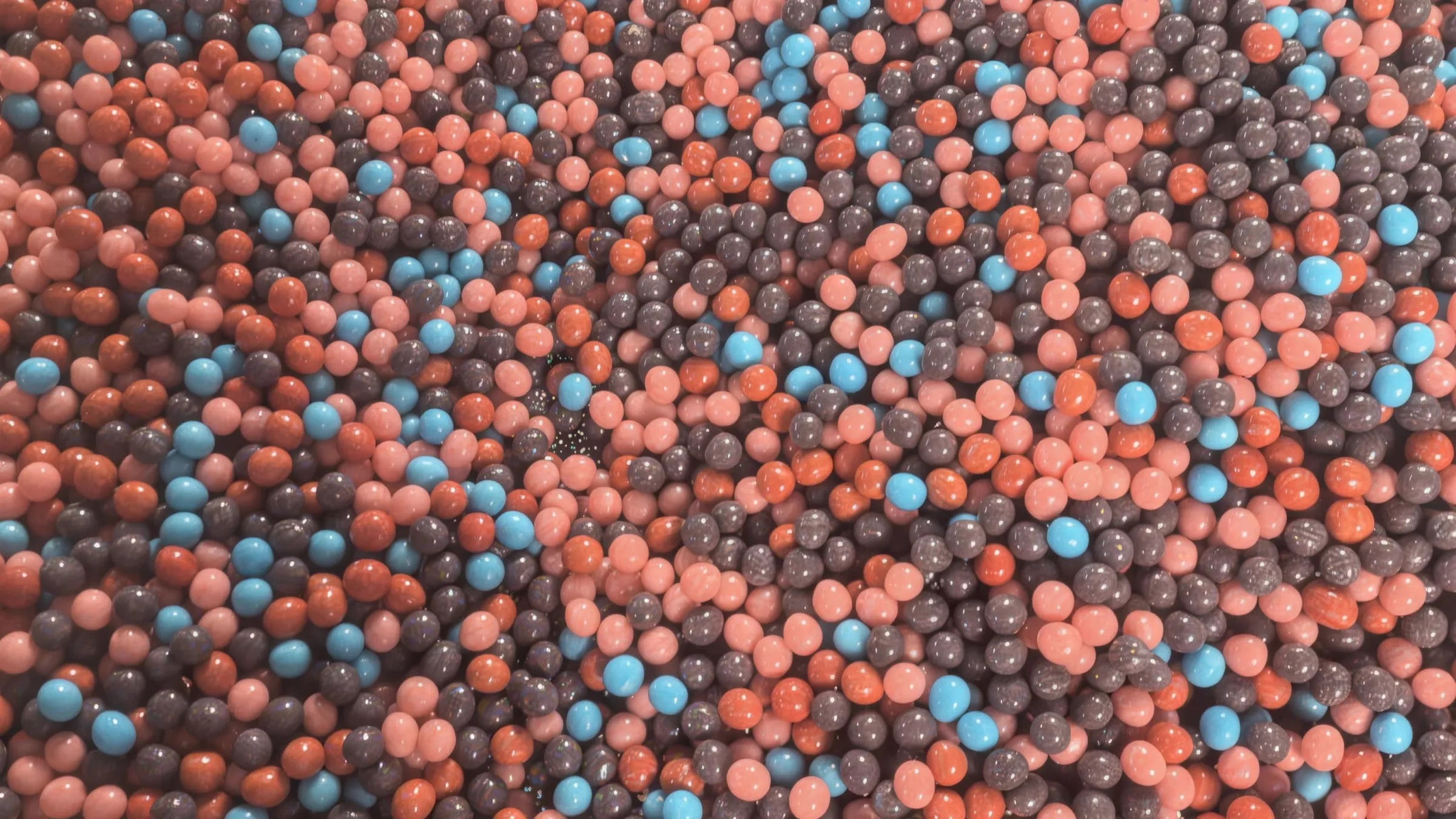
Our catalogue covers three bean lines: chewy fruit candy beans, pastel jelly beans, and sour crunchy beans. Shell thickness, piece weight, color sets, mix ratios, and flavor direction are all set per project, and the signed-off sample becomes the production reference. Programs that need a shape or flavor beyond the current range can be developed inside our custom program.
If you are planning a bean program, send us your target channel, the colors you need, and a reference sample if you have one. We will prepare comparison samples across shell and size options before the specification is fixed.
For jelly beans we recommend at least about 1.2 grams per piece. Below that, the center becomes too small for clean molding and polishing, and the defect rate rises. Crunchy sour beans, which carry a thicker coating, work best at about 1.4 to 1.5 grams.