What Are Swedish Gummies, and Why Are They Everywhere
Swedish gummies have drawn wide attention in North America over the past two years, driven by a social-media wave around a few Swedish brands. The term does not point to one brand. It refers to the style those brands are known for, and the products behind it vary: foamy textures, sour-sanded coatings, and pick-and-mix assortments are common, but they are not universal across Swedish candy.
What Defines a Swedish Gummy
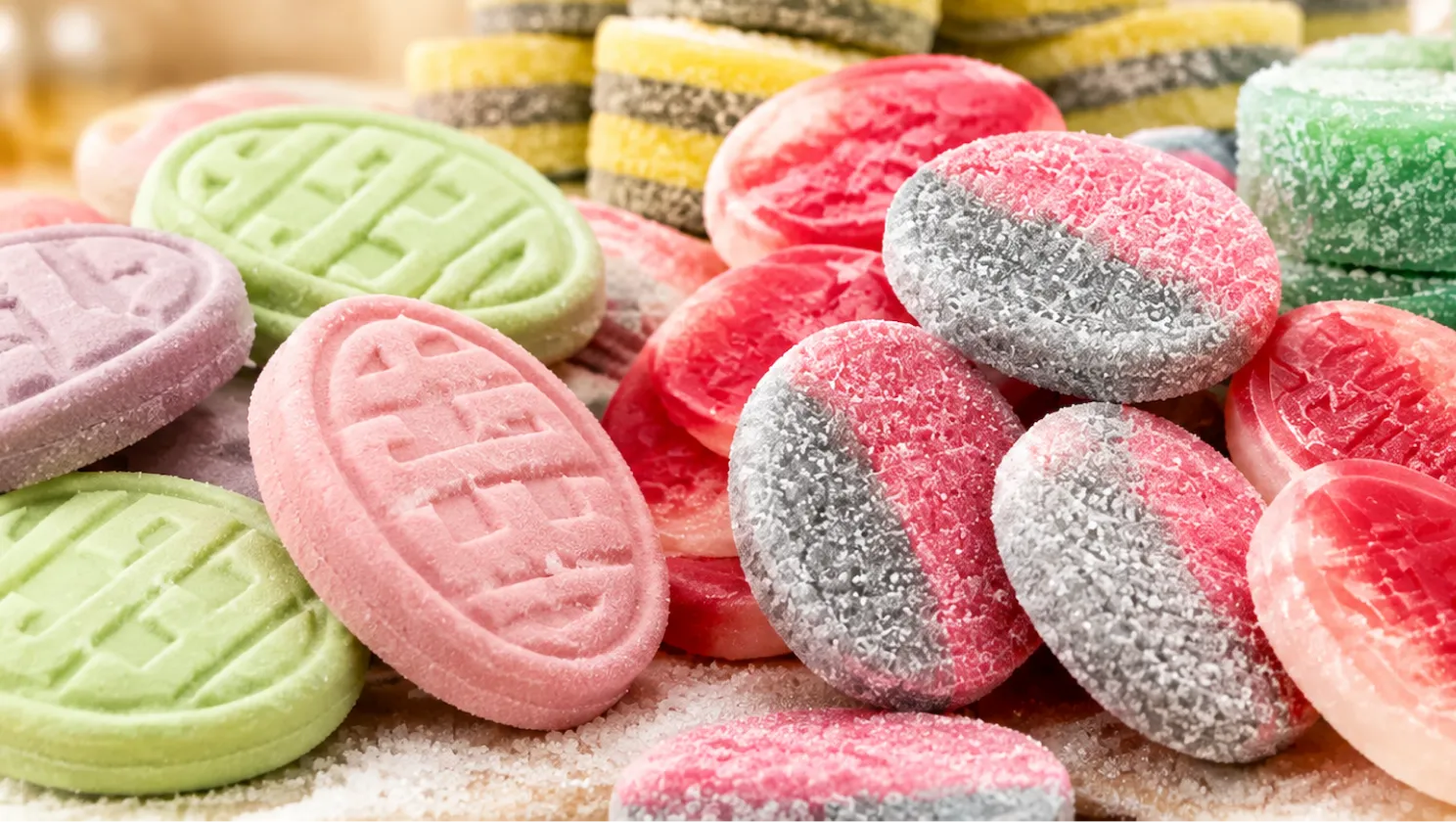
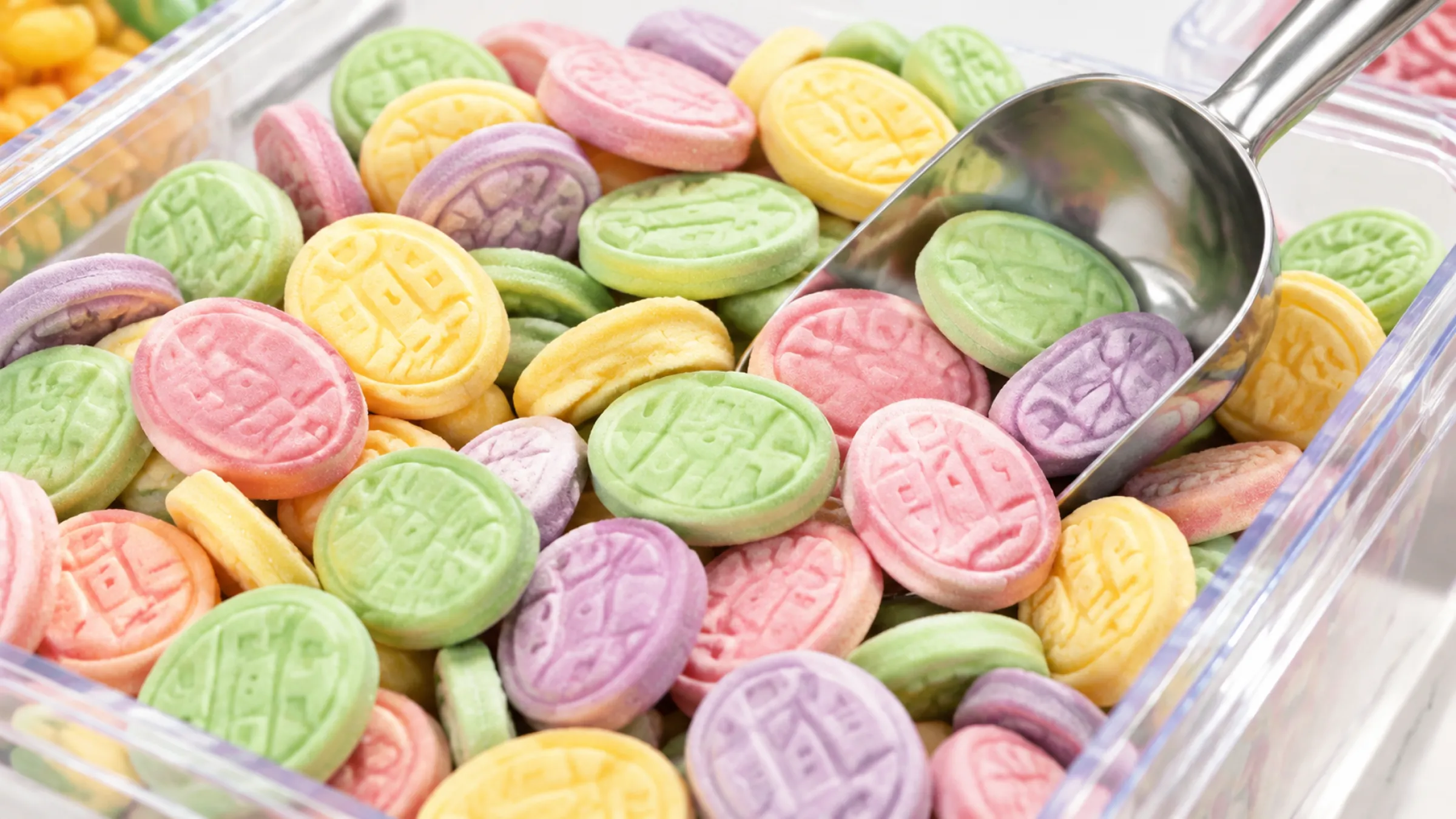
The texture most associated with the trend is a foamy, airy chew, softer and lighter than a standard gelatin gummy, often described as sitting between a marshmallow and a gummy bear. Not every Swedish gummy is a foam piece, since the country’s assortments also run firm starch chews and hard licorice, but the foam texture is what the recent wave made famous. On flavour, the brands behind the trend lean on sour-sanded coatings and include salty licorice in their assortments, rather than following the sweeter single-note profile common in mainstream U.S. gummies.
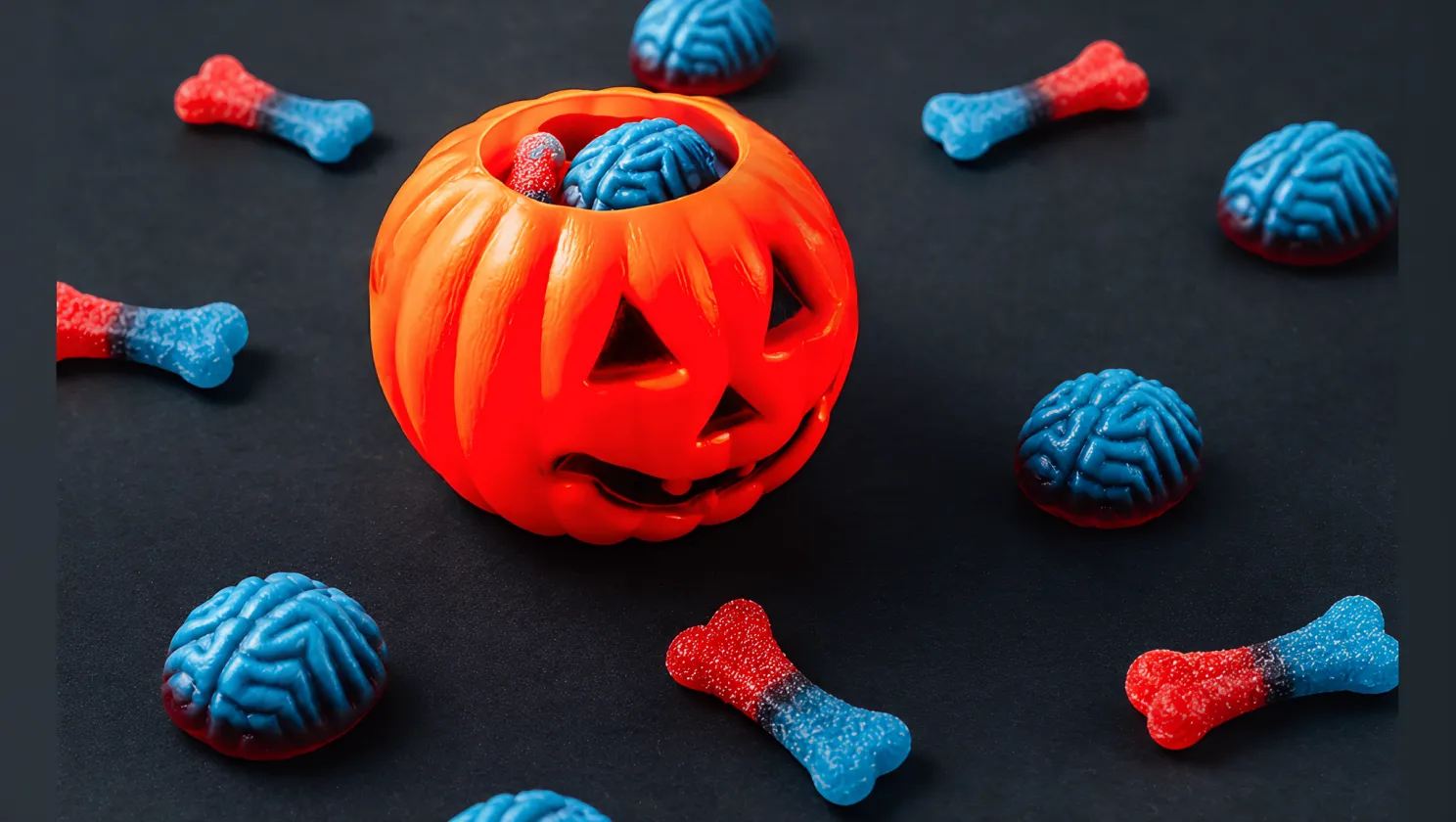
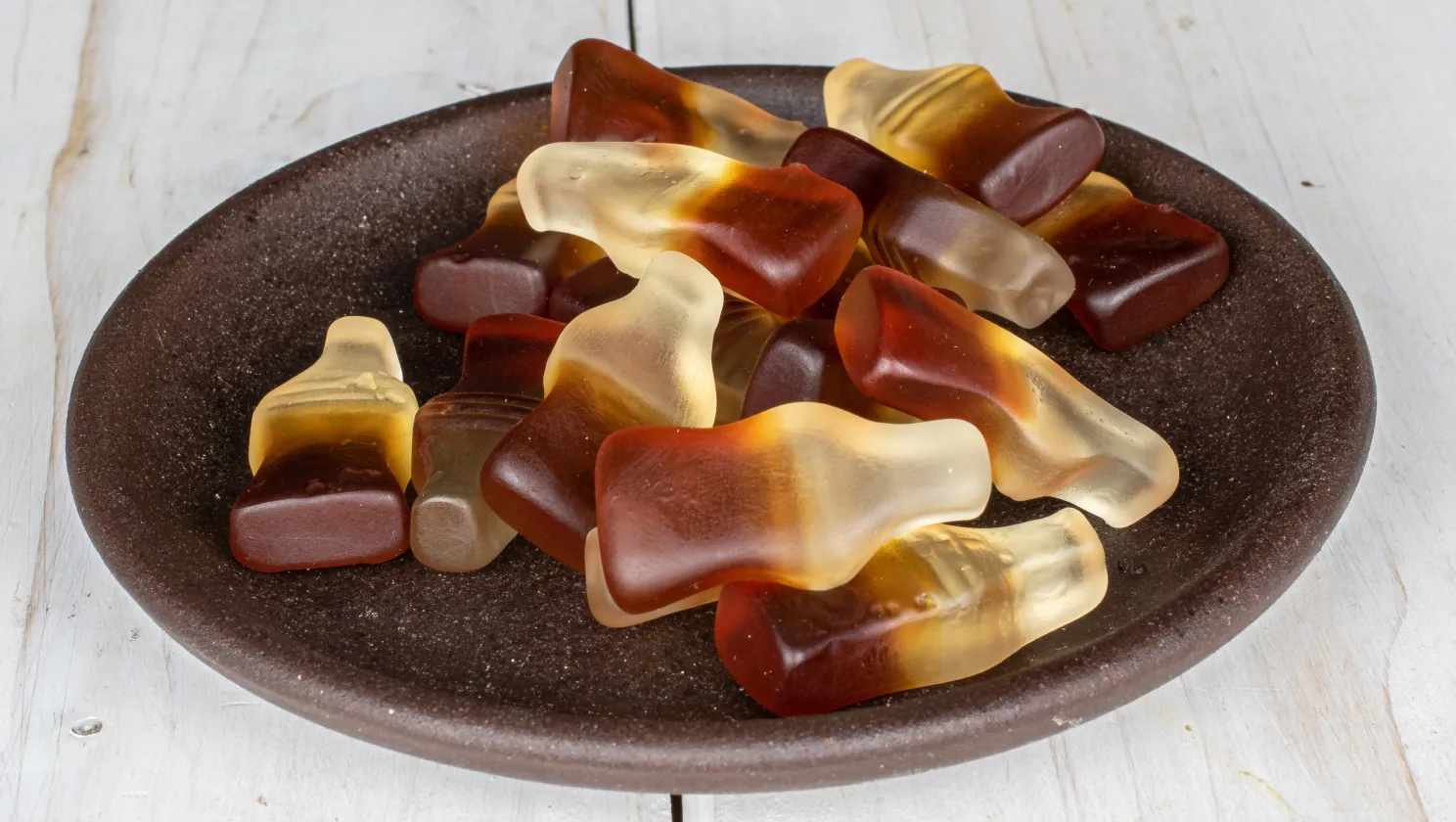
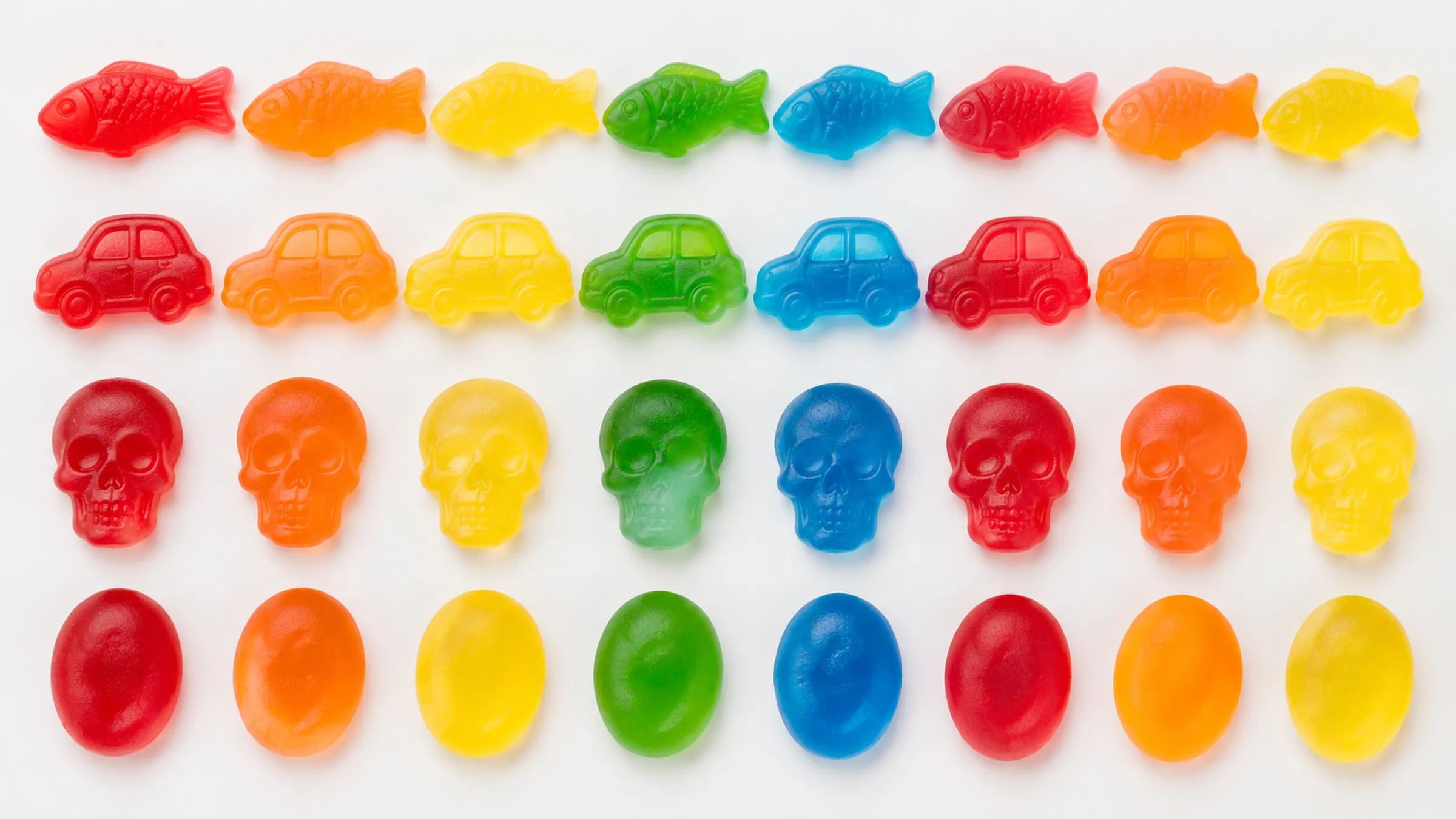
The shapes carry their own language as well. Fish, cars, skulls, and ovals recur across the category, and the oval in particular has become a shorthand for the Swedish foam style, because the leading brand in the trend built its most recognizable products on it.
The third marker is the format. Sweden buys candy by weight from pick-and-mix walls, a habit tied to lördagsgodis, the Saturday candy tradition where families fill a paper bag from open bins. A Swedish-style assortment is built for that format: many shapes, several textures, and a mix of sweet, sour, and salty pieces in one bag. When the style travels abroad, the pick-and-mix presentation travels with it.
Some concrete differences show up at the brand level, on published ingredient lists. Bubs, the brand most associated with the trend, states that its products are vegan, gelatin-free, gluten-free, and made without high-fructose corn syrup (Bubs, We are Bubs). Swedish Fish list sugar, invert sugar, corn syrup, and modified corn starch, with no gelatin in the recipe (EWG Food Scores, Swedish Fish Soft & Chewy Candy). These are brand-level facts from their own published information, and they vary from brand to brand.
How Swedish Gummies Spread
The export history is older than the current trend suggests. In the 1950s, the Swedish producer Malaco developed a fish-shaped gummy for the American market, and Swedish Fish went on to become a fixture of the U.S. candy shelf (Allrecipes, What Are Swedish Fish). In 1953, a candy factory in Gävle tried to produce marshmallows and ended up with small foam pieces instead; the result was launched as Ahlgrens bilar, the car-shaped foam candy that remains Sweden’s top-selling foam candy, according to its producer (National Confectioners Association, Cloetta brings Ahlgrens bilar to the U.S.).
The current wave started online. Bubs, a Swedish brand founded in 1992 and known for foam-and-gummy hybrid pieces in skull and oval shapes, became the face of a TikTok trend in 2024, when candy review videos pushed Swedish candy to over 120 million views under the category hashtag. U.S. search interest in buying Swedish candy more than tripled within a year, Swedish shops ran out of stock, and by 2025 Bubs entered American retail chains at national scale (Orkla Snacks, Bubs opens first pop-up in New York City). What started as a social media moment ended as a retail listing.
The scale of the spike is documented in the trade press. At the peak of the trend, demand for Bubs products ran at several times what the factory could supply, the brand had to limit sales to new customers, and Swedish media reported hundreds of millions of kronor in U.S. online sales of Bubs products through resellers alone. Cloetta, the company behind Ahlgrens bilar, answered the same trend by opening a pick-and-mix store in New York at the end of 2025. A social media wave turned into permanent shelf space.
How the Brand Formulas Differ
The brands behind the trend look similar in a pick-and-mix bin, but their recipes are built on different gelling systems, and that is one of the things behind the different textures. The table below summarizes the three best-known examples, based on their published ingredient lists: Cloetta’s official page for Ahlgrens bilar, the Bubs brand page, and the Swedish Fish listing in EWG’s Food Scores database.
| Example | Gelling system | Texture direction |
| Swedish Fish (Malaco) | Modified starch, no gelatin | Firm, dense chew |
| Ahlgrens bilar (Cloetta) | Gelatin plus starch, aerated | Soft foam, light bite |
| Bubs (Orkla) | Gelatin-free, plant-based system | Foam-gummy hybrid, airy chew |
Swedish Fish run on a starch system with no gelatin at all, which gives the dense, slow chew and makes the product suitable for vegetarian labeling. Ahlgrens bilar combine gelatin and starch in an aerated mass, which produces the signature foam texture; the 1953 original recipe is still in use. Bubs built its line without gelatin, which positions the whole range for vegan buyers while keeping the foam-gummy texture the brand is known for.
The lesson for buyers is that "Swedish-style" is a texture and format decision before it is a flavour decision. The gelling system is one of the factors behind how a piece eats; moisture content and the sugar balance of the recipe shape the bite as well, and the coating and flavour choices sit on top of that structure.
Texture differences of this kind cannot be judged from a photo or a description. A dense starch-based piece and an aerated foam piece can share a shape, a colour, and a flavour and still be different products in the mouth. This is why category buyers working on Swedish-style assortments sample by texture first and settle flavours second.
What This Means for Candy Buyers
The trend changed what a competitive candy shelf looks like. A foam-textured piece and a sour-sanded option are now expected parts of an assortment in markets touched by the trend, and the pick-and-mix presentation has moved from Swedish shops into American and European retail. Buyers building or refreshing a gummy range have a concrete reason to include Swedish-style pieces: the demand is documented, and the format is proven.
The practical points sit in the usual places. Texture is the anchor, so a foam piece should be sampled against a reference before production. The assortment logic matters as much as the single item, since the style sells as a mix. And the coating question connects to the supply chain, because the sour-sanded foam pieces that photograph so well are also the most moisture-sensitive products in the range.
How Sweeto Supports Swedish-Style Programs
Our catalogue includes Swedish-style oval gummies produced in the foam texture associated with the category, and the range runs in the sour-sanded and oiled finishes the category uses. Colour, flavour, and coating are specified per program, and texture is confirmed on physical samples before production, since the foam structure is the defining feature of the style.
If you are building a Swedish-style assortment, send us your target market and the texture reference you are working toward. We can prepare samples of the oval builds and related pieces, and program details can start from our custom program or the terms on our wholesale page.
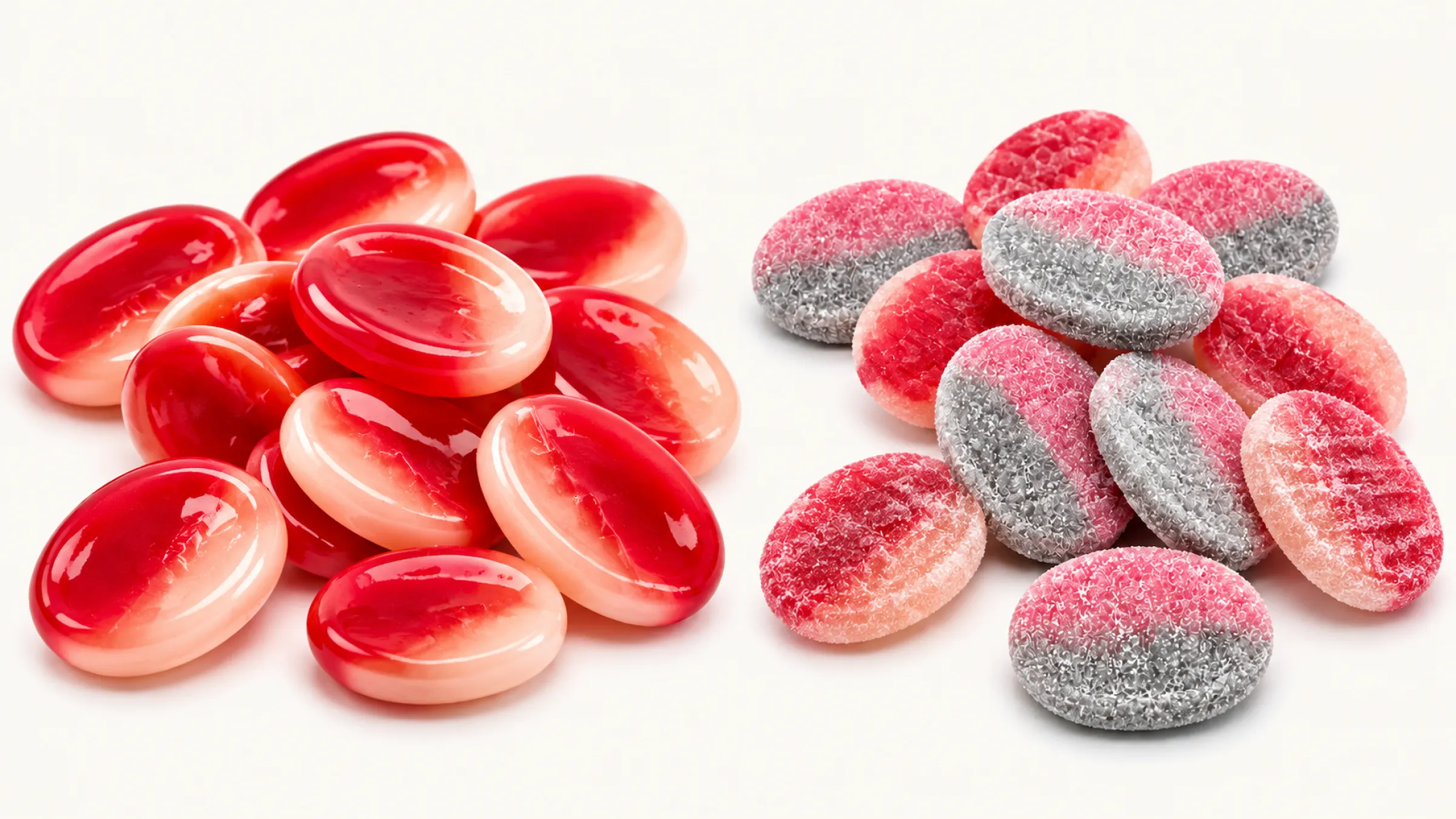
Three things define the style: a foamy or airy texture rather than a dense gelatin chew, a flavour profile that runs less sweet with sour and salty notes in the mix, and a pick-and-mix selling format. A product does not need to be made in Sweden to follow the style, but the texture and the assortment logic are the core of it.